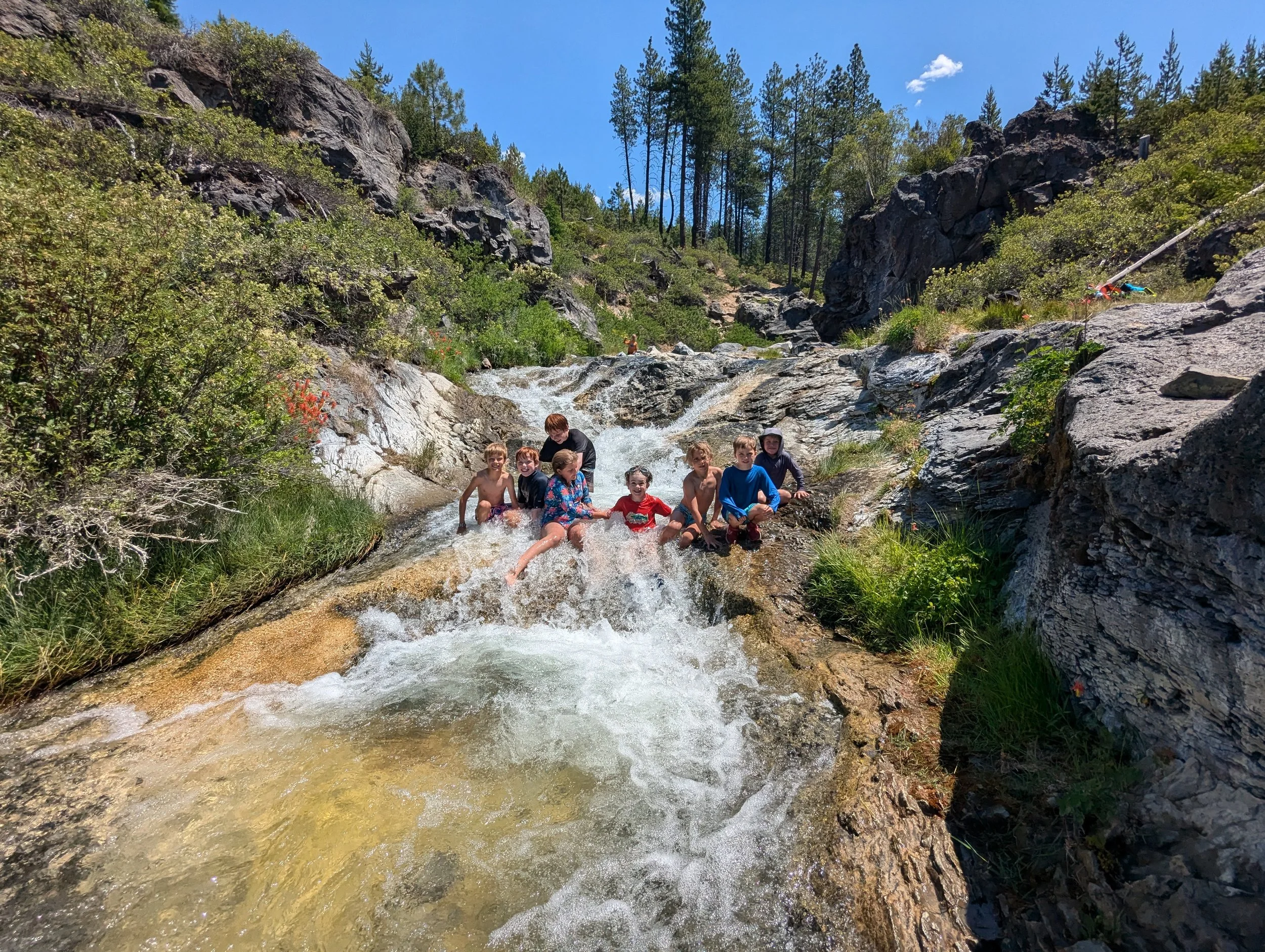
In a world filled with structured activities, digital distractions, and busy schedules, free play offers a vital space for kids and teens to explore, imagine, and grow.
Free play refers to unstructured, voluntary, and self-directed activities that children and teens engage in without specific goals or adult intervention. It can take many forms, from playing with toys and creating imaginary worlds to exploring the outdoors or simply hanging out with friends. The key element of free play is that it’s driven by the child's interests and imagination, allowing them to take the lead in how they spend their time.
Why is Free Play Important?
1. Encourages Creativity and Imagination
Free play gives kids and teens the freedom to explore their creativity. Without the constraints of rules or instructions, they can invent games, create stories, and experiment with new ideas. This imaginative play fosters creativity, which is essential for problem-solving and innovation later in life.
2. Promotes Independence and Decision-Making
During free play, children are in charge of their own activities. They learn to make decisions, set their own boundaries, and solve problems on their own. This independence builds confidence and helps develop critical decision-making skills, which are crucial as they grow older.
3. Enhances Social Skills
Free play often involves interacting with peers, whether it’s playing tag, building a fort, or negotiating the rules of a game. These interactions help kids and teens develop essential social skills such as communication, cooperation, and conflict resolution. They learn how to navigate social situations, make friends, and work together towards a common goal.
4. Supports Emotional Well-being
Unstructured play provides a safe space for kids to express their emotions, work through challenges, and reduce stress. It’s a time for them to unwind, relax, and be themselves without the pressure of expectations. This freedom to play is essential for maintaining mental and emotional well-being.
5. Encourages Physical Activity
Free play often involves physical movement, whether it’s running, climbing, or playing sports. This physical activity promotes healthy development, improves motor skills, and helps prevent sedentary lifestyle-related issues such as obesity.
R.A.D. Camps guides understand the importance of outdoor exploration and spending time in nature. Our summer day camp program is designed with a special focus on free play, fun, camaraderie, and an appreciation for our natural world. Our motto is “No Child Left Inside.” We’re committed to getting kids out into nature and learning through their curiosity. Summer day camps are one of the best things to do with kids in Bend, whether you’re a local or on vacation with your family.
Ready to embark on an epic summer adventure? Visit our website or call us at (541) 410-7258 to reserve your spot today!